Introduction
The Mitsubishi Lancer has earned a loyal following over the years. This compact sedan blends practicality with sporty appeal. It offers reliable performance and sharp styling. Many drivers choose it for daily commuting and weekend adventures alike.
First introduced in the 1970s, the Mitsubishi Lancer evolved through multiple generations. Each model year brought improvements in comfort, safety, and technology. The car gained attention for its balanced handling and fuel efficiency. It stood out in a crowded segment of small sedans.
One of the most iconic versions is the Mitsubishi Lancer Evolution, often called the “Evo.” This high-performance variant captured hearts worldwide. It featured all-wheel drive, turbocharged engines, and rally-inspired design. Motorsport fans admired its track-ready capabilities.
Even the standard Mitsubishi Lancer delivered solid value. It came with efficient four-cylinder engines. Fuel economy remained strong across city and highway driving. Maintenance costs were lower than many competitors. These factors made it a smart long-term choice.
Interior space was another strength. Front and rear passengers had decent legroom. Trunk capacity handled luggage and groceries easily. Families appreciated the blend of size and maneuverability. Parking in tight spaces never felt like a struggle.
Safety features improved over time. Later models included airbags, stability control, and anti-lock brakes. Some trims added side-impact protection. These upgrades gave drivers peace of mind on every trip.
In short, the Mitsubishi Lancer built a reputation for dependability and fun-to-drive dynamics. While production ended in some markets, used models remain popular. Their legacy lives on among car lovers and collectors.
 Design and Styling Through the Generations
Exterior Evolution Over Time
The look of the Mitsubishi Lancer changed significantly over decades. Early models had boxy shapes and simple lines. They focused on function over flair. As design trends advanced, so did the Lancer’s appearance.
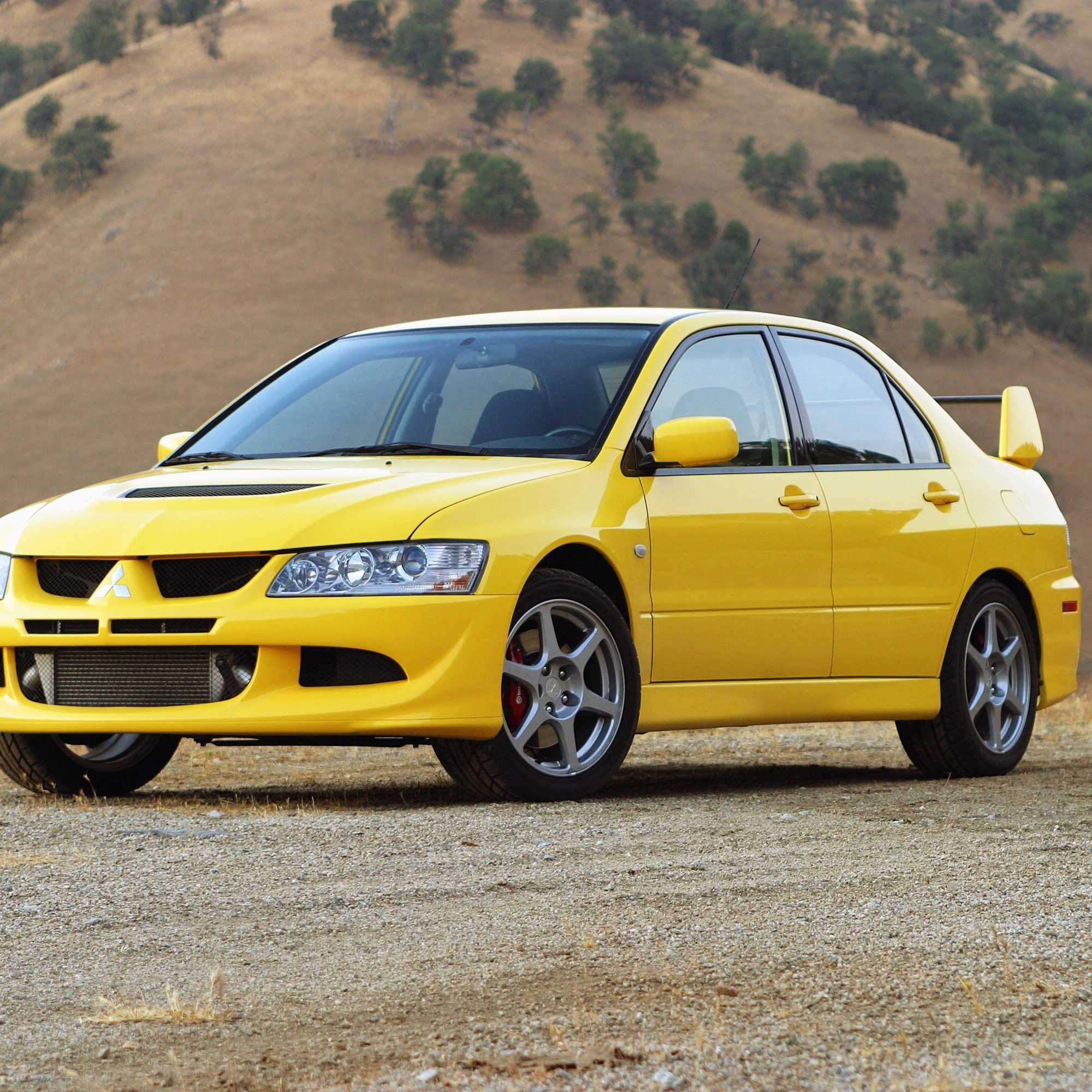
By the 2000s, the styling became more aggressive. Sharp headlights and a bold front grille defined the face. The body adopted sleek curves and aerodynamic edges. This gave the car a modern, energetic feel.
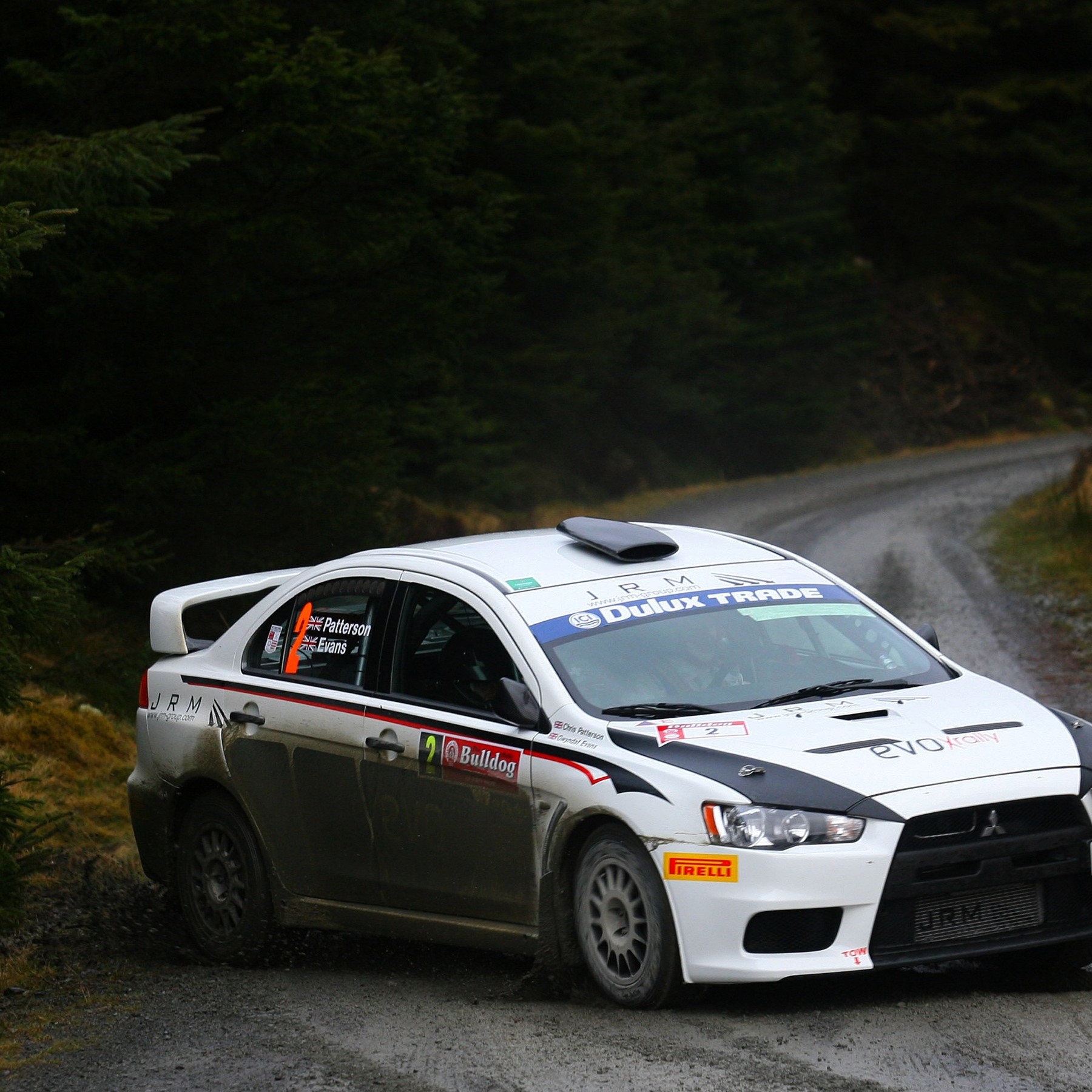
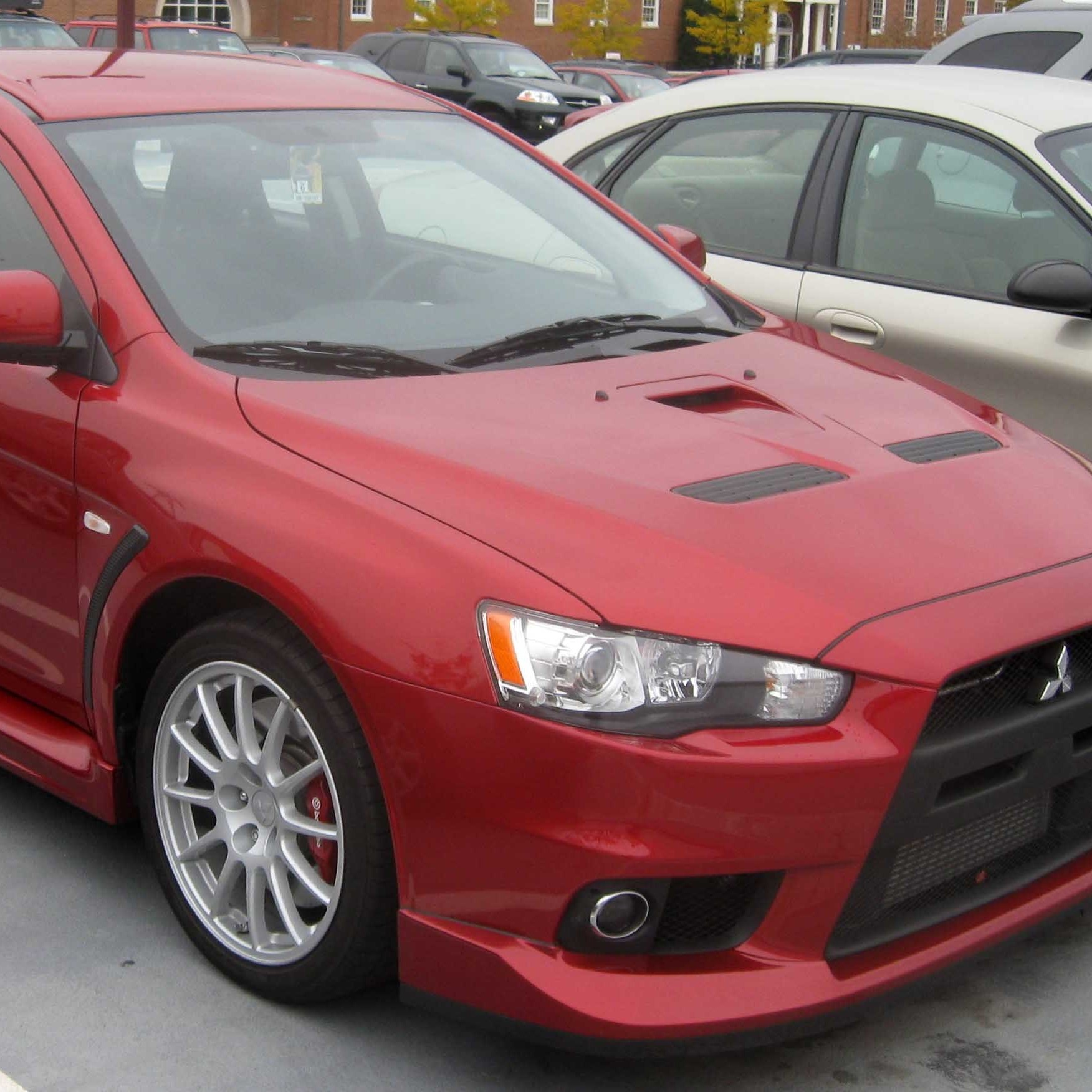
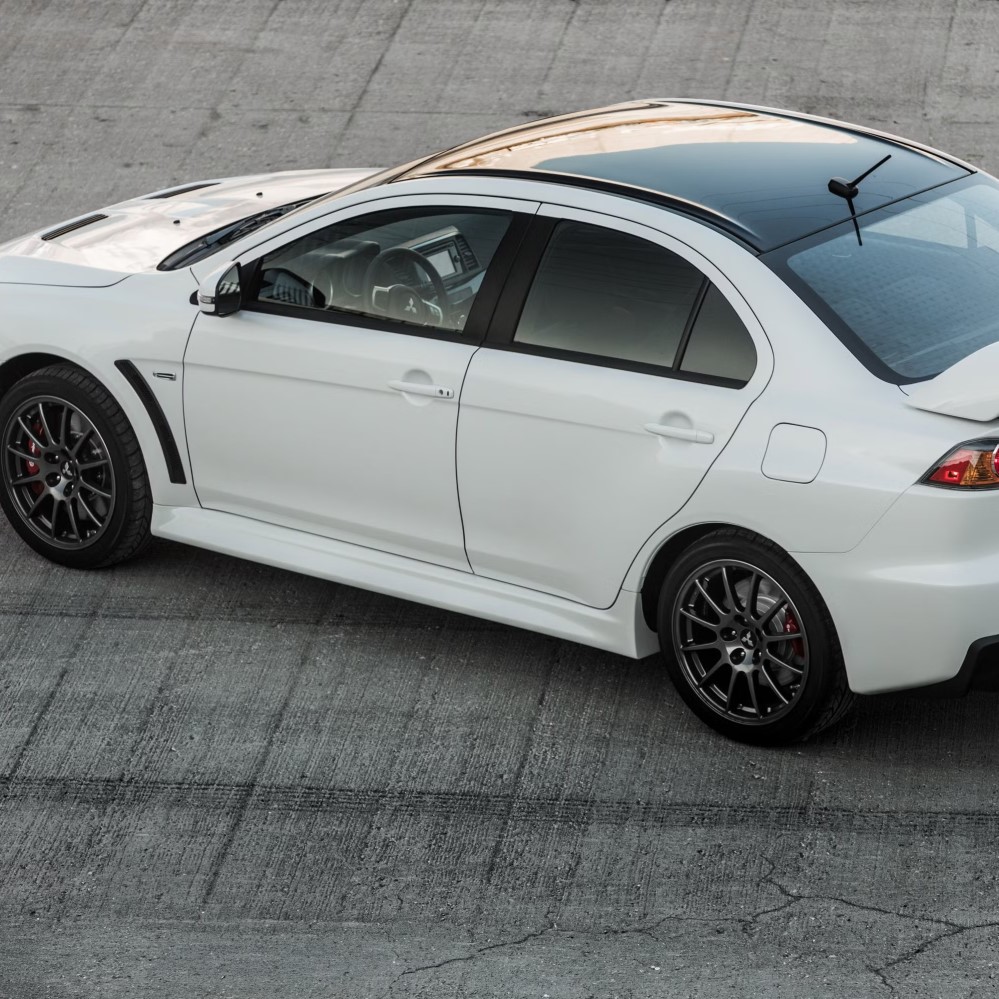
The Mitsubishi Lancer Evolution X, released in 2008, took this further. It featured flared fenders, large intakes, and a roof-mounted spoiler. Functional vents helped cool the engine and brakes. Every element served performance or cooling needs.
LED lighting appeared in later years. Daytime running lights enhanced visibility. Rear taillights wrapped around the trunk for style and safety. Chrome accents added subtle elegance to higher trims.
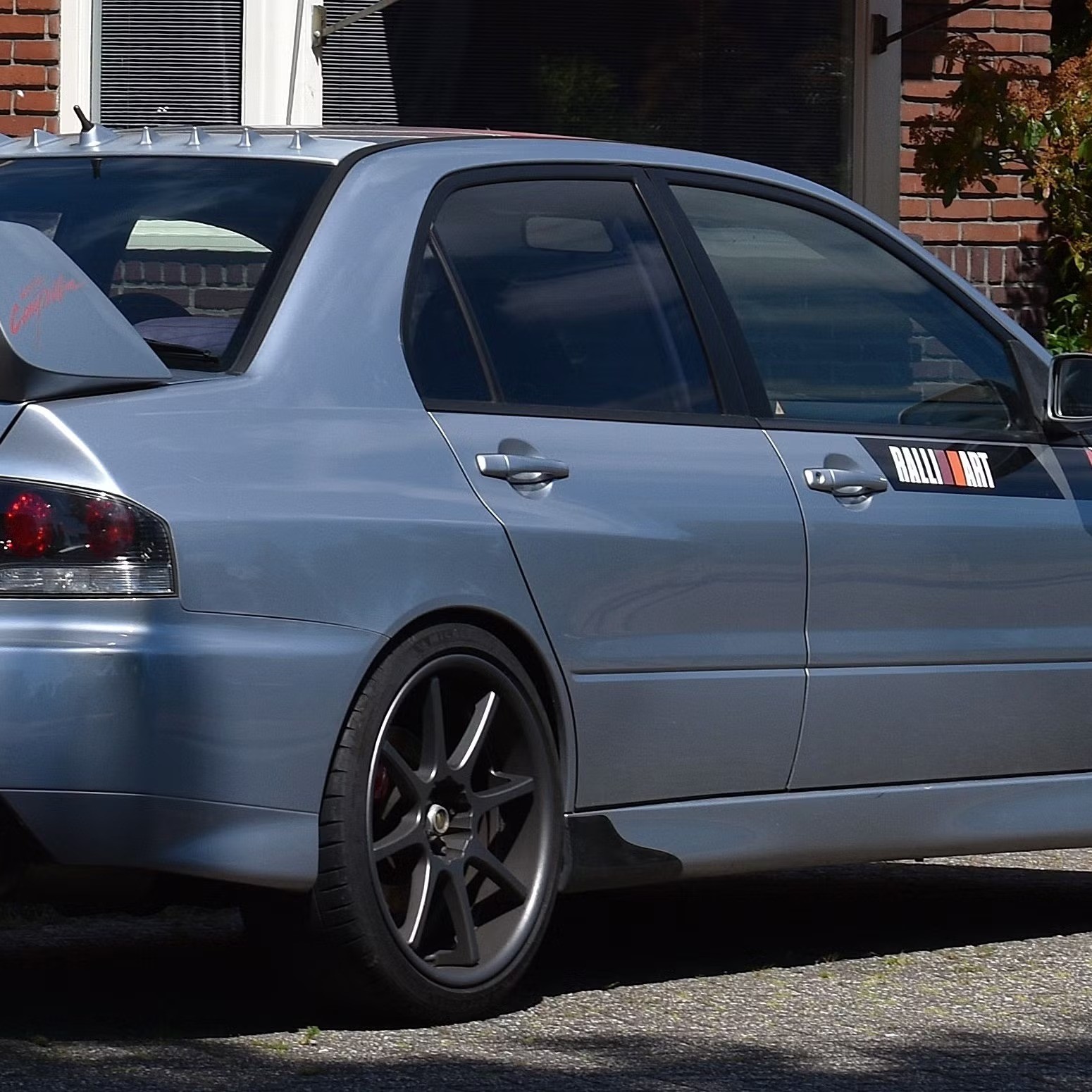
Wheel designs also evolved. Base models used steel wheels with hubcaps. Sportier versions got alloy rims in 16 to 18 inches. Wider tires improved grip and visual presence.
Color choices expanded too. Classic shades like white and black stayed common. Bright red, racing blue, and silver attracted younger buyers. Special editions offered unique paint and decals.
Overall, the exterior journey shows how the Mitsubishi Lancer adapted to changing tastes. It balanced sportiness with everyday usability. That mix kept it competitive in the market.
Interior Comfort and Layout Features
Inside, the Mitsubishi Lancer focused on clean, driver-focused layouts. Dashboards placed controls within easy reach. Gauges were clear and readable. HVAC knobs and audio buttons required minimal distraction.
Higher trims added soft-touch materials. Cloth seats were standard. Leather options arrived on top models. Heated front seats improved winter comfort. Power adjustments made finding the right position easier.
Steering wheels included tilt and telescopic functions. Drivers of all heights could get comfortable. Audio systems ranged from basic AM/FM radios to touchscreen infotainment. Bluetooth connectivity allowed hands-free calls and music streaming.
Rear seating suited adults for short trips. Headroom and shoulder space worked well. Three passengers fit, though middle seating was snug. Fold-down armrests added convenience.
Storage solutions were practical. Door pockets held water bottles. The center console stored phones and wallets. Cupholders adjusted for different cup sizes.
Trunk space measured around 13 cubic feet. This beat some rivals in the class. A 60/40 split rear seat expanded cargo room when needed. Ski pass-throughs allowed longer items inside.
Despite modest pricing, the cabin felt durable. Fit and finish improved over time. Used owners report lasting quality with regular care. The interior of the Mitsubishi Lancer supported both comfort and practicality.
 Performance and Engine Options
Standard Models and Daily Driving Experience
Most Mitsubishi Lancer models used naturally aspirated four-cylinder engines. The 2.0L and 2.4L variants provided smooth power delivery. Acceleration met expectations for city and highway use.
Manual and automatic transmissions were available. Five-speed manuals appealed to driving enthusiasts. CVT and four-speed automatics suited relaxed commuters. Shifting felt responsive and predictable.
Fuel economy was a highlight. The base engine returned up to 30 MPG on highways. City driving averaged around 23 MPG. These numbers compared favorably to other compact sedans.
Handling was precise and stable. Electric power steering gave light effort at low speeds. On winding roads, the chassis responded well to inputs. Body roll was present but not excessive.
Braking performance was adequate. Discs in front and drums in rear stopped the car reliably. Anti-lock brakes prevented wheel lockup during hard stops.
Suspension absorbed bumps without harshness. Ride comfort ranked above average. Long drives remained manageable thanks to noise reduction and seat support.
Overall, the standard Mitsubishi Lancer performed well as a daily driver. It combined efficiency, ease of use, and reliability. These traits made it ideal for students, young professionals, and families.
High-Performance Lancer Evolution (Evo) Variants
The Mitsubishi Lancer Evolution series redefined what a compact car could do. Starting in the 1990s, it grew into a legend. The Evo IX and Evo X are especially celebrated.
These models used turbocharged 2.0L inline-four engines. Power output exceeded 290 horsepower in later versions. Torque delivery was strong across the rev range.
All-wheel drive sent power to all four wheels. Driver-controlled center differentials adjusted torque split. This improved traction on wet or loose surfaces.
Six-speed manual gearboxes were standard. Short throws and crisp engagement pleased purists. No automatic option existed—this was a driver’s car.
Launch control helped quick starts. Sport ABS and active yaw control aided cornering. Brembo brakes reduced stopping distances.
Suspension tuning was firm. Adaptive dampers arrived in top trims. Stiffer springs reduced body movement during fast driving.
Visually, Evos stood out. Aggressive spoilers, hood scoops, and wide arches signaled performance. Recaro seats held occupants firmly during hard turns.
While rare today, used Evos attract collectors. They remain icons in the tuner and motorsport communities. The Mitsubishi Lancer proved that small cars can deliver big thrills.
 Safety and Reliability Record
Crash Test Ratings and Built-In Protection
Safety ratings for the Mitsubishi Lancer varied by model year. Earlier versions had fewer features. However, newer releases scored better in crash tests.
The Insurance Institute for Highway Safety (IIHS) tested several trims. Results showed good frontal and side impact protection. Roof strength received acceptable marks. Later models added electronic stability control as standard.
Standard equipment included dual front airbags. Side and curtain airbags covered front and rear occupants. Seatbelt pretensioners tightened during impacts. These features reduced injury risk.
Anti-lock braking system (ABS) helped maintain steering control. Brake assist increased pressure during emergencies. Traction control prevented wheel spin on slick roads.
Child safety was considered too. LATCH anchors secured booster and infant seats. Rear seats had three-point belts for all positions.
Blind-spot zones were present due to thick pillars. But no factory-installed cameras existed in most years. Aftermarket systems filled this gap.
Overall, the Mitsubishi Lancer met safety standards of its time. While not class-leading, it offered solid protection. Routine maintenance kept systems working properly.
Long-Term Durability and Ownership Costs
Reliability is a major reason people still seek used Mitsubishi Lancer models. Engines typically lasted beyond 150,000 miles. Transmissions held up under normal conditions.
Routine oil changes and fluid replacements extended life. Timing belts required replacement every 60,000 to 100,000 miles. Ignoring this led to engine damage.
Parts were generally affordable. OEM and aftermarket suppliers offered replacements. Suspension components wore gradually. Control arms and struts lasted years with city driving.
Electrical systems were mostly trouble-free. Climate control, windows, and locks worked well. Some reports mentioned radio glitches or sensor errors. These were minor and fixable.
Common issues included worn shocks and aging seals. Sunroofs leaked after years of exposure. Cooling system hoses cracked over time.
Regular servicing prevented most problems. DIY repairs were possible for skilled owners. Online forums shared helpful tips and guides.
Ownership costs remained low compared to luxury brands. Insurance rates were moderate. Fuel savings added up over time.
With proper care, a Mitsubishi Lancer provided dependable service. It earned trust through real-world use.
 Frequently Asked Questions
Is the Mitsubishi Lancer still being manufactured?
No, Mitsubishi discontinued the Lancer in most markets by 2017. North American production ended then. Japan stopped later, around 2024. The brand shifted focus to SUVs and electric vehicles.
However, used models remain widely available. Certified pre-owned programs offer inspected units. Private sellers list well-maintained examples online.
Some countries may still have new-old-stock units. But no new Mitsubishi Lancer models are currently in production. Collectors now preserve special editions.
Are parts easy to find for older models?
Yes, parts are still accessible. Popular models like the Lancer ES, GTS, and Evo have strong aftermarket support. Online retailers stock mechanical and body components.
Recycled parts from junkyards are also an option. Salvage networks help locate rare trim pieces. Forums connect owners looking for specific items.
High-demand parts like turbos and suspensions are reproduced. Branded companies make upgraded alternatives. This keeps older cars running safely.
Always check compatibility before buying. Model years and trim levels affect fitment. Use VIN lookup tools when unsure.
Can I use a Mitsubishi Lancer as a daily driver today?
Absolutely. Well-maintained units serve as excellent daily drivers. They offer comfort, fuel economy, and reliability.
Check fluids, brakes, and tires before purchase. Look for rust-free frames and clean interiors. Service records show care history.
Test drive the car on city and highway roads. Listen for odd noises. Verify smooth shifting and braking response.
Avoid neglected examples with engine or transmission issues. Repairs can become costly. Buy from trusted sources whenever possible.
Once in hand, stick to a maintenance schedule. Change oil, filters, and belts on time. Keep the battery charged and tires inflated.
A cared-for Mitsubishi Lancer delivers years of dependable use.
What makes the Lancer Evolution so special?
The Lancer Evolution combined street legality with race-level engineering. It dominated rally circuits globally. Its success boosted Mitsubishi’s image.
Key strengths included all-wheel drive, turbocharging, and lightweight construction. Aerodynamic aids improved downforce. Mechanical limited-slip differentials enhanced cornering.
Enthusiasts modified them for drag racing, drifting, and time attacks. Tuning potential was nearly limitless. Turbo kits, intercoolers, and ECU flashes unlocked more power.
It inspired movies, video games, and car culture. Fast & Furious fans recognize Dominic Toretto’s Evo IX. This fame increased demand.
Today, clean Evos hold their value. They are sought-after classics. The Mitsubishi Lancer Evolution remains a symbol of performance innovation.
 Final Thoughts
The Mitsubishi Lancer carved a unique path in automotive history. It started as a simple family car. Then rose to become a performance icon through the Evo line.
Its blend of efficiency, durability, and driving fun won fans worldwide. Even after discontinuation, interest remains strong. Used models sell quickly. Enthusiast clubs stay active.
Owners appreciate its balance. It wasn’t flashy or luxurious. But it was honest, capable, and engaging. You could drive it to work, then take it on a twisty road afterward.
The end of production doesn’t mean the end of relevance. Classic car events feature Mitsubishi Lancer models regularly. Restoration projects bring old ones back to life.
For first-time buyers, it offers an affordable entry point. For seasoned collectors, it adds diversity. Either way, it holds sentimental and mechanical value.
In closing, the Mitsubishi Lancer deserves recognition. It bridged everyday needs and high-octane dreams. Few cars have achieved such a balance. Its story continues—one mile at a time.