Why Learning How to Store Designer Handbags Is Essential
Protecting Your Investment Over Time
Designer handbags represent a significant financial commitment. They cost hundreds or even thousands of dollars. Proper care ensures long-term value.
Without correct storage, materials degrade quickly. Leather cracks. Fabric fades. Hardware tarnishes. These issues lower resale potential.
Luxury brands like Louis Vuitton, Gucci, and Prada use high-quality components. Yet they still require protection from environmental damage.
Sunlight breaks down dyes and weakens fibers. UV exposure causes discoloration. Pale spots appear on dark surfaces.
Humidity invites mold and mildew. Damp areas ruin linings. Musty odors become hard to remove.
Dry air has risks too. It pulls moisture from leather. Natural oils disappear. Skin-like textures turn stiff.
Dust settles into seams and corners. It scratches delicate finishes. Cleaning cannot always reverse the harm.
Properly stored bags avoid these problems. They remain in near-new condition. Decades can pass without visible wear.
Collectors rely on careful methods. Their inventory stays pristine. Buyers trust authenticity and upkeep.
Also, emotional value grows over time. A bag may mark a milestone. Retirement, promotion, or gift from a loved one.
Preserving it honors that memory. Future generations might inherit it. Sentiment lasts beyond fashion trends.
Learning how to store designer handbags is not optional. It’s part of responsible ownership. Respect begins with routine.
Ultimately, maintenance protects both monetary and personal worth. The effort pays off every time you open the closet.
Maintaining Shape and Structural Integrity
One major reason to learn how to store designer handbags is shape retention. Most bags are designed with structure in mind.
When left empty, they collapse inward. Tops fold. Sides bend. Corners lose definition. This leads to permanent creasing.
Supportive stuffing prevents this. Use acid-free tissue paper or soft cloths. Fill gently from the inside.
Avoid overpacking. Too much pressure distorts stitching. Balance is key for long-term form.
Some designers build frames into handles or bases. These help maintain silhouette. But only if supported during rest periods.
Totes and satchels need full support. Place them upright. Never stack heavy items on top.
Clutches and mini bags should lie flat. Keep them separated. Prevent surface scratching.
Shoulder straps often stretch when hung improperly. Gravity pulls them downward. Elasticity fades over time.
Store them lying down or rolled loosely. Let the strap rest in its natural curve.
Hardware such as zippers, clasps, and chains also needs attention. Metal contacts cause micro-scratches.
Keep each bag isolated. Individual dust bags prevent rubbing. Velvet-lined boxes add extra safety.
Even small deformations affect appearance. Once shape is lost, restoration is difficult. Prevention beats repair.
Using proper internal support maintains original design intent. The brand’s vision remains intact.
In short, maintaining structure preserves beauty. A well-kept bag looks intentional. Its elegance never fades.
Mastering how to store designer handbags includes respecting their architecture. Form follows function.
 Ideal Environment for Long-Term Storage
Temperature and Humidity Control
The ideal place to store designer handbags stays climate-controlled. Extreme temperatures damage materials.
Heat above 75°F (24°C) softens adhesives. Glue joints weaken. Linings peel away. Seams begin to split.
Cold below 60°F (15°C) makes leather brittle. Flexibility drops. Bending causes cracks. Winter basements pose risks.
Fluctuations are worse than steady conditions. Expanding and contracting stresses fibers. Damage builds slowly.
Aim for stable room temperature. Between 68–72°F (20–22°C) works best. Avoid attics, garages, or sunrooms.
Humidity levels matter just as much. Ideal range is 50–55%. Too dry causes shrinkage. Too wet breeds fungus.
Use a hygrometer to monitor levels. Small digital devices track changes. Alerts help adjust early.
Dehumidifiers reduce moisture in damp spaces. Air conditioners help too. Run them regularly.
Humidifiers assist in arid climates. Desert regions or heated winter homes lose moisture fast.
Never place bags near vents. Hot or cold blasts alter local conditions. Distance ensures stability.
Cedar chests absorb excess humidity. They also repel moths. However, strong oils may transfer to fabric.
Instead, use silica gel packs. Place them inside each bag. Replace every few months.
Avoid direct sunlight at all costs. UV rays destroy color integrity. Shades shift within weeks.
Draw curtains or blinds. Use opaque closets. Light accelerates aging.
Stable environments prevent unseen harm. Invisible threats do the most damage.
Understanding how to store designer handbags means mastering air quality. Comfort extends life.
Choosing the Right Storage Location
Location determines long-term success. Not all closets or drawers are equal. Think carefully before placing your bags.
Closets inside bedrooms work well. They experience fewer temperature swings. Human activity stabilizes the space.
Avoid outer walls. They receive more heat and cold. Interior closets stay insulated.
Walk-in wardrobes offer more control. You can organize shelves by type. Add lighting and ventilation.
Under-bed containers are acceptable. Only if sealed and climate-stable. Check periodically for leaks.
Do not store on the floor. Dust accumulates. Spills happen. Elevate using racks or trays.
Shelves must be solid. No wobbling. Bags should sit securely. Prevent tipping.
Avoid plastic bins unless breathable. Trapped air holds moisture. Plastic can off-gas chemicals.
Opt for fabric-covered boxes or wooden trunks. Acid-free interiors protect surfaces.
Stacking is risky. Never pile bags on top of each other. Weight causes deformation.
Each handbag deserves its own space. Treat them individually. Rotate positions monthly.
Keep away from bathrooms. Steam increases humidity. Towels and showers create damp cycles.
Kitchens are no better. Grease particles float in the air. They settle on fabrics.
Laundry rooms have washing machines. Water pipes leak. Flooding ruins collections.
Basements and attics are worst. Moisture, pests, and temperature extremes rule them out.
Ideal spots are bedroom closets with doors closed. Low light. Minimal foot traffic.
You access them often enough to monitor condition. Early detection saves recovery time.
Choosing wisely completes how to store designer handbags correctly. Safety comes first.
 Using Proper Tools and Materials
Importance of Dust Bags and Protective Covers
Every designer handbag comes with a dust bag. Never discard it. This simple item plays a vital role.
Dust bags shield against airborne particles. They block lint, hair, and fine debris. Cleanliness improves.
They also prevent fading. Even low indoor light affects pigments. Soft cotton filters harmful rays.
Most are made from breathable cotton. Air circulates freely. No trapped moisture occurs.
Always store your bag inside its dust cover. Zip or fold the top shut. Secure it fully.
If the original is lost, buy replacements. Many brands sell new ones. Generic versions work too.
Choose white or light colors. Dark dyes may bleed onto lighter leathers. Risk outweighs style.
For added security, wrap the entire bundle in acid-free tissue. Extra layer helps.
Velvet-lined boxes provide luxury protection. Ideal for display or travel. Handle with care.
Do not use pillowcases or towels. Unknown detergents leave residues. Fibers scratch finishes.
Replace torn or stained dust bags immediately. Damaged covers cause more harm than good.
Wash gently if needed. Use cold water and mild soap. Air dry flat. No machine drying.
Keep multiple spares. Rotation keeps them clean. Always have a fresh option ready.
Think of dust bags as armor. They guard against invisible enemies. Preservation starts here.
Using them consistently defines how to store designer handbags properly. Simple habits yield big results.
Filling and Supporting the Bag Structure
Empty bags lose shape fast. To prevent sagging, fill them during storage. Support is essential.
Use acid-free tissue paper. Crumple gently. Insert into the main compartment. Do not overstuff.
Build up from the bottom. Create a base first. Then rise toward the opening. Mimic natural form.
Round purses need spherical filling. Oval shapes require elongated support. Match proportions.
Avoid newspaper. Ink transfers. Acids in paper break down materials. Only neutral pH-safe options.
Soft cotton cloths work in emergencies. Ensure they are clean and dry. No perfumes or stains.
Stuff handles lightly. Prevent bulging. Let them rest naturally.
Straw or woven bags need special care. Use loose stuffing. Avoid pressing fragile weaves.
Keep removable inserts inside. Some clutches include padded forms. They preserve volume.
Never use books or heavy objects. They compress sides. Permanent dents occur.
For shoulder bags, let straps hang free. Do not loop them around the body. Tension harms connections.
Top handles should stand upright. Use small rolls of cloth to prop them open. Maintain arch.
Zip closures halfway. Full closure strains the zipper. Half-open reduces stress.
Turn bags upside down occasionally. Reverse pressure points. Promote even settling.
Refill every few months. Paper flattens over time. Renew the support system.
This habit keeps structure alive. A firm bag feels luxurious when used again.
Filling is a core step in how to store designer handbags. Neglect leads to collapse.
 Handling and Maintenance During Storage
Regular Inspection and Cleaning Routine
Even in storage, handbags need attention. Schedule monthly checkups. Early detection prevents disasters.
Open each dust bag. Inspect for signs of mold, pests, or discoloration. Shine a flashlight inside.
Smell the lining. Musty odors signal moisture. Act fast to dry and ventilate.
Look at hardware. Gold or silver plating may tarnish. Wipe gently with a jewelry cloth.
Clean minor marks with a soft, dry brush. Remove surface dust. Focus on corners and edges.
For deeper cleaning, consult a professional. Never attempt DIY fixes on exotic skins.
Rotate bags seasonally. Bring some into use. Others return to rest. Equalize wear.
Change silica gel packs. Replace every 60 days. Dry used ones in sunlight before reuse.
Flip the bag orientation monthly. Alternate resting sides. Prevent flat spots.
Check stuffing. Replenish flattened tissue. Adjust support where needed.
Handle with clean hands. Oils transfer easily. Wear cotton gloves if possible.
Keep fingernails short. Sharp edges snag threads. Accidents ruin finishes.
Remove makeup residue. Lipstick or foundation smudges stain fabric. Blot immediately.
Avoid perfume contact. Alcohol dissolves coatings. Spray fragrances before handling bags.
Let wet items dry completely. Rain or spills need airing out. Never seal dampness inside.
Regular care builds long-term health. Small actions compound over time.
Maintaining cleanliness supports how to store designer handbags effectively. Discipline brings rewards.
Preventing Pest Infestation and Mold Growth
Pests target organic materials. Moths, silverfish, and carpet beetles eat glue, thread, and leather.
They lay eggs in dark, undisturbed places. Stored bags attract them silently.
Prevent access. Seal all entry points. Use tight-fitting containers. Vacuum surroundings.
Place lavender sachets nearby. Natural repellent. Pleasant smell masks attractants.
Avoid mothballs. Strong odors linger. Chemicals damage finishes. Safer alternatives exist.
Inspect frequently. Look for tiny holes or shed skins. Early signs mean action is urgent.
Mold grows in humid areas. It spreads fast. White or green fuzz appears.
Isolate infected items. Do not touch others. Prevent cross-contamination.
Dry thoroughly. Use fans in a dry room. Never use heat directly. Sunlight bleaches.
Consult specialists for treatment. Restoration experts remove spores safely.
Never store food near your collection. Crumbs attract insects. Spills invite ants.
Keep pets away. Claws and teeth cause irreversible damage. Curiosity destroys.
Seal storage zones. Use lidded boxes. Zipped garment bags help too.
Air circulation reduces risk. Stagnant air encourages growth. Open doors weekly.
Run dehumidifiers in prone areas. Basements need constant monitoring.
Prevention beats eradication. Once infestation takes hold, recovery is costly.
Knowing how to store designer handbags includes pest awareness. Vigilance protects.
 Frequently Asked Questions About Storing Designer Handbags
Should I Hang My Designer Handbags?
No. Hanging damages straps and alters shape. Gravity pulls unevenly. Long-term harm occurs.
Straps stretch permanently. Leather loses elasticity. Shoulder drop becomes noticeable.
Metal hooks scratch surfaces. Micro-abrasions lead to bigger flaws. Avoid at all costs.
Instead, store them upright or flat. Use shelves with dividers. Keep them standing.
If space is limited, lay them side by side. Never stack. Weight crushes weaker structures.
Hanging may seem neat. But it ruins functionality. Designers did not intend it.
Preserve original form. Let the bag rest as it was meant to. Respect craftsmanship.
Use drawer organizers. Slide-out trays make access easy. No lifting required.
Rotating usage avoids strain. Give each bag time to recover.
Learn how to store designer handbags without hanging. Tradition supports preservation.
Can I Store Them in Plastic?
Only if the plastic is archival-grade and breathable. Regular plastic traps moisture.
Condensation builds inside. Invisible droplets promote mold. Damage happens unseen.
Clear bins with vents are acceptable. They allow airflow. Still, inspect often.
Never wrap in plastic wrap. It seals completely. No gas exchange occurs.
Acid-free boxes are safer. Cardboard lined with neutral fabric offers breathability.
Vacuum-sealed bags are dangerous. Pressure collapses structure. Restore impossible.
If using plastic, add desiccants. Silica gel absorbs trapped humidity. Replace regularly.
Ensure the bin is large enough. No squeezing. Allow room for air movement.
Clean plastic containers before use. Residue may contain contaminants. Rinse thoroughly.
Label each one. Know contents without opening. Reduce unnecessary exposure.
Better options exist. Cloth, wood, or paper-based storage wins every time.
Stick to non-reactive materials. Your investment deserves safe shelter.
How Often Should I Take Them Out?
At least once every three months. Rotation prevents stiffness and forgotten items.
Remove each bag from storage. Unzip fully. Let it breathe.
Wipe with a dry cloth. Refresh the surface. Check for hidden issues.
Expose to fresh air briefly. Ten minutes in a dry room helps. No direct sunlight.
Reposition stuffing. Refold tissue paper. Reinforce shape.
Try it with an outfit. Wear it for a day. Enjoy what you own.
Photograph for records. Update your collection log. Track condition over time.
Reapply leather conditioner if needed. Only after testing on hidden areas.
Allow unused bags to rest afterward. Return to dust bag and shelf.
This cycle keeps everything active. Items don’t vanish into obscurity.
It also reminds you of your choices. Rediscover favorite pieces.
Regular use complements how to store designer handbags. Life balances rest and function.
What If My Bag Gets Wet?
Act fast. Remove from source immediately. Delay worsens damage.
Blot with a dry, absorbent towel. Press gently. Do not rub. Prevent fiber disruption.
Unzip all compartments. Open flaps wide. Allow inner layers to dry.
Stuff with crumpled paper. Absorbs moisture. Supports shape.
Place in a dry, warm room. Avoid heaters or blow dryers. Heat warps materials.
Never use hairdryers. High temps crack leather. Melts synthetic coatings.
Let it air dry naturally. Takes 24–48 hours. Patience prevents mistakes.
Once dry, inspect closely. Look for stains, odor, or texture change.
If serious, contact a specialist. Professionals handle water damage.
Never seal in dust bag while damp. Trapped moisture causes mold.
Prevent future incidents. Use protective sprays. Waterproof treatments help.
Know how to respond. Quick thinking saves irreplaceable items.
Do All Bags Need Stuffing?
Yes. Empty bags collapse. Creases set in. Recovery is hard.
Even structured ones benefit. Internal support reduces stress on seams.
Soft clutches need gentle padding. Prevent folding in half.
Mini bags still require form. Tiny creases accumulate.
Use soft filler. Never hard objects. Risk of puncture exists.
Adjust based on size. Large totes need more support. Small wallets need less.
Remove before use. Never carry filled bags. Looks unnatural.
Restuff after returning. Make it part of your routine.
Consistency protects shape. One missed time causes harm.
All types demand care. No exceptions.
Can I Store Different Brands Together?
Only if separated. Never let bags touch directly. Friction causes abrasion.
Use individual dust bags. Wrap each one fully.
Place dividers between them. Foam or cardboard sheets prevent contact.
Avoid mixing textures. Crocodile next to satin causes scratches. Plan layout.
Keep similar sizes together. Large ones won’t press on smaller ones.
Rotate positions monthly. Equalize pressure points.
Label sections by brand. Easy identification. Faster access.
Use separate boxes if possible. Personalize organization.
Shared storage works only with barriers. Direct contact ruins finishes.
Protect each piece equally. No favorites.
Smart grouping supports how to store designer handbags correctly. Order prevents chaos.
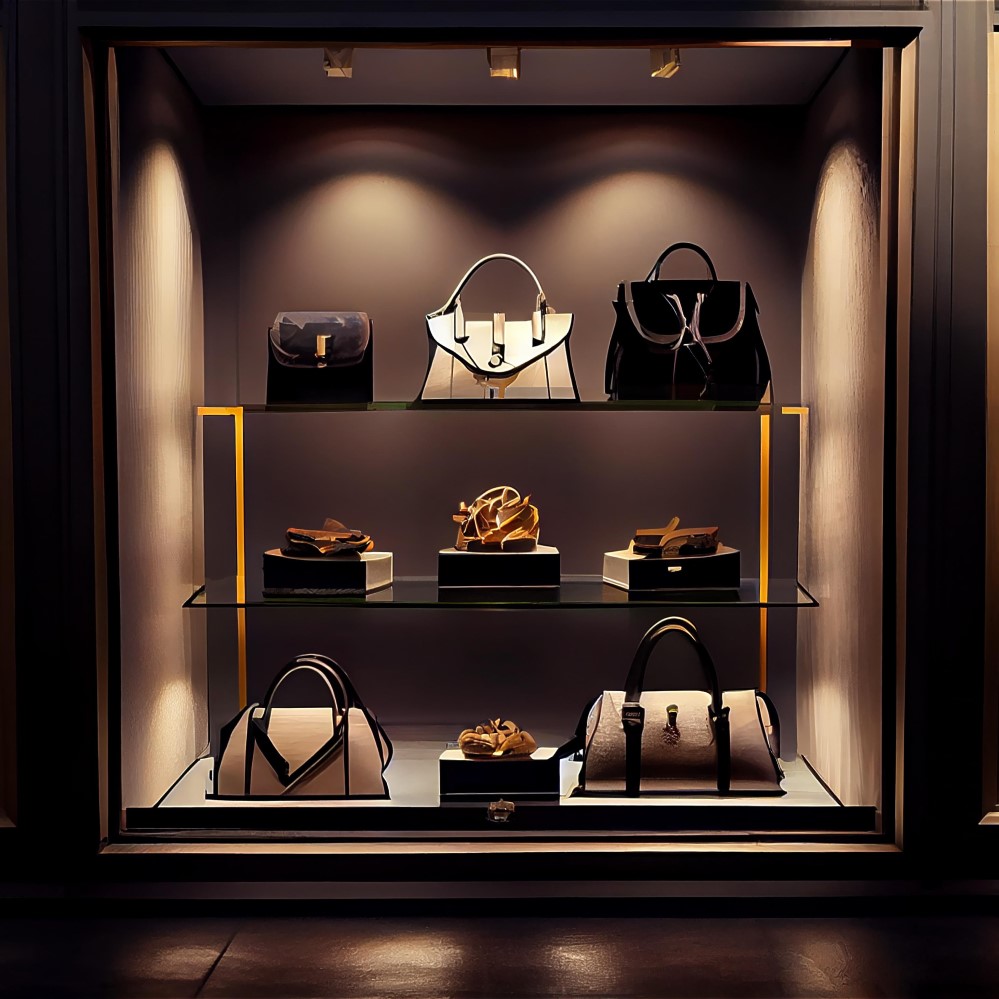 Final Thoughts: Mastering How to Store Designer Handbags
Owning designer handbags is rewarding. But true value comes from preservation.
Learning how to store designer handbags ensures longevity. Beauty lasts decades.
Follow climate rules. Control temperature and humidity. Stability matters.
Use proper tools. Dust bags, tissue paper, and silica gel help. Invest in quality.
Inspect regularly. Catch problems early. Small efforts prevent big losses.
Never hang or stack. Respect shape and material. Handle with care.
Rotate usage. Let each bag breathe. Enjoy what you’ve earned.
From daily habits to seasonal checks, consistency wins. Knowledge empowers.
Make it a ritual. Care becomes second nature. Pride grows.
Whether heirloom or recent purchase, treat it right. Luxury demands respect.
Now you know how to store designer handbags like a pro. Start today.